Letter D 3D Papercraft for Kids: A Hands-On Learning Tool
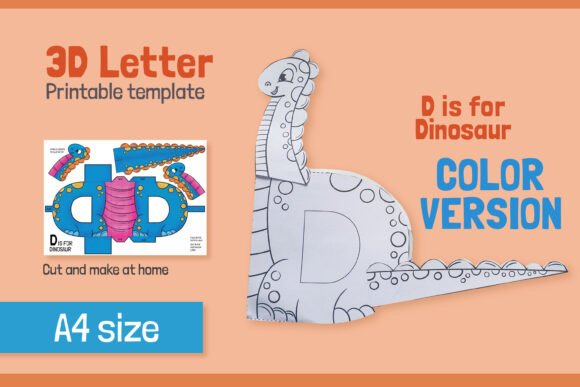
Educational resources that bridge the gap between abstract concepts and tangible experiences are increasingly valued in early childhood development. The Letter D 3D Papercraft for Kids – COLOR represents one such resource, designed to transform the process of learning the alphabet into an interactive, tactile activity. This specific item focuses on the letter "D," associating it with a dinosaur theme to engage young learners. By combining literacy education with arts and crafts, this tool offers a multifaceted approach to skill-building that extends beyond simple memorization.
Understanding the Product Design and Components
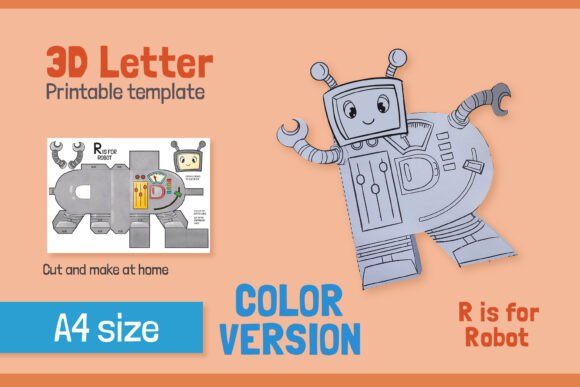
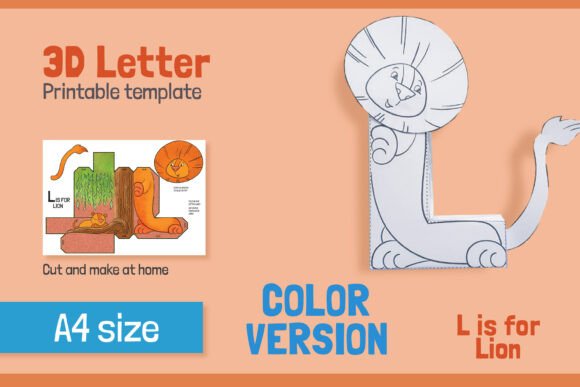
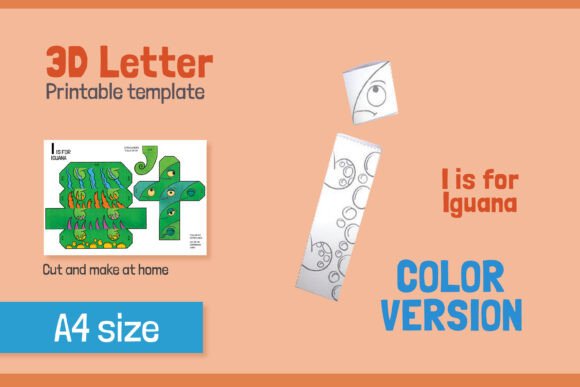
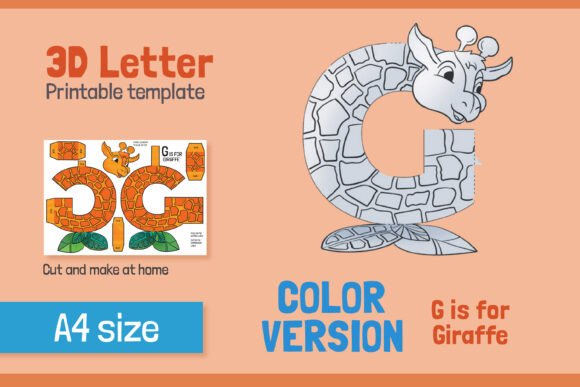
At its core, this papercraft is a digital download intended for home or classroom printing. It includes a high-resolution A4 page formatted at 300 dpi, ensuring that the printed output remains crisp and clear. The file is available in JPEG format for easy viewing and PDF format for reliable printing. A distinguishing feature of this color version is its vibrant design, which eliminates the need for children to color the pieces before assembly, although they certainly can if desired. This pre-colored aspect saves time and ensures a consistent aesthetic result, which can be particularly appealing for decorative purposes.
The central component is the three-dimensional model of the letter D, stylized as a dinosaur. The design requires users to cut out specific shapes, fold along designated lines, and glue tabs together to construct the final 3D object. To support this process, the PDF file contains a link to an instructional video. This multimedia support is crucial, as assembling 3D paper models can be challenging for beginners without visual guidance. The inclusion of a video tutorial significantly lowers the barrier to entry, making the project accessible to parents and educators who may not have prior experience with papercrafts.
Educational Benefits and Skill Development
One of the primary reasons educators and parents consider tools like the Letter D 3D Papercraft for Kids – COLOR is the development of fine motor skills. The actions required—cutting with scissors, folding paper precisely, and applying glue accurately—are fundamental exercises for hand-eye coordination. These activities strengthen the small muscles in the hands and fingers, which are essential for later tasks such as writing, typing, and using utensils.
Beyond motor skills, this craft promotes spatial awareness and geometric understanding. Children must visualize how a two-dimensional flat sheet transforms into a three-dimensional object. This cognitive leap helps them understand concepts of depth, volume, and structure. Furthermore, the thematic association of the letter D with a dinosaur reinforces phonetic recognition. By physically building the letter while engaging with a familiar and exciting subject, children create stronger neural connections between the symbol, the sound, and the word.
Practical Considerations and Tradeoffs
While the benefits are clear, it is important to evaluate the practical aspects of using this resource. The requirement for printing means that access to a printer and sufficient ink or toner is necessary. For those who print frequently, the cost per unit is low, but for occasional users, the expense of color ink can add up. Additionally, the quality of the final product is heavily dependent on the type of paper used. Standard copy paper may result in a flimsy structure that does not hold its shape well, whereas cardstock provides the necessary rigidity for a durable 3D model. Users should be prepared to adjust their printer settings or purchase heavier paper to achieve optimal results.
Another consideration is the time commitment. Assembly is not instantaneous; it requires patience and focus. For younger children, adult supervision and assistance are often necessary, particularly during the cutting and gluing phases. This can be viewed as a tradeoff: while it demands more time than passive learning methods like watching a video or using a flashcard, it offers deeper engagement and retention. Parents and teachers should plan for a dedicated session rather than expecting a quick five-minute activity.
Ideal Use Cases and Scenarios
This papercraft is particularly well-suited for classroom environments where thematic units are common. For example, during a week focused on dinosaurs or the letter D, this activity can serve as a center station or a group project. It allows for differentiated instruction, as children with varying levels of dexterity can work at their own pace with appropriate support. The finished products can also be used to decorate the classroom, creating a sense of ownership and pride among students.
In a home setting, this tool is ideal for rainy-day activities or structured homeschooling lessons. It provides a screen-free alternative that keeps children engaged for an extended period. For parents looking to reinforce alphabet knowledge without relying on digital apps, this tactile approach offers a refreshing change of pace. It is also a strong fit for special occasions, such as birthday parties with a dinosaur theme, where guests can participate in a creative, take-home activity.
When to Consider Alternatives
Despite its advantages, the Letter D 3D Papercraft for Kids – COLOR may not be the best choice for every situation. If the goal is rapid rote memorization of the entire alphabet, flashcards or digital quizzes may be more efficient. Similarly, for children with significant difficulties in fine motor control or sensory sensitivities related to glue and paper textures, alternative manipulatives such as magnetic letters or foam puzzles might be more appropriate and less frustrating.
Additionally, if immediate gratification is the priority, this craft may not meet expectations. The process involves multiple steps and potential for error, such as misaligned folds or messy glue application. Those seeking a zero-prep, instant activity should look toward pre-made toys or digital games. However, for those who value the process of creation and the developmental benefits of hands-on learning, the effort required is a worthwhile investment.
Making an Informed Decision
Choosing whether to incorporate this papercraft into your educational toolkit depends on your specific goals. If you aim to enhance fine motor skills, encourage patience, and provide a memorable, tactile learning experience, this product aligns well with those objectives. The inclusion of a video tutorial and high-quality print files adds significant value, reducing preparation stress for adults.
Evaluate your available resources, including printer access and time, against the desired outcomes. For educators and parents who prioritize deep, engaged learning over speed, the Letter D 3D Papercraft for Kids – COLOR offers a balanced, effective solution. It transforms a simple letter into a dynamic project, fostering both creativity and cognitive growth in a way that static materials cannot. By understanding the requirements and benefits, you can determine if this hands-on approach fits seamlessly into your current teaching or parenting strategy.