Mastering Modern Design with Electronics Devices Vinyls PNG and High-Resolution 3D Icons
In the rapidly evolving landscape of digital media, the demand for visual assets that balance aesthetic appeal with technical precision has never been higher. Designers, developers, and content creators are constantly searching for resources that can elevate their projects without compromising on quality or workflow efficiency. At the forefront of this movement is a specialized collection featuring Electronics Devices Vinyls PNG and a comprehensive suite of high-quality 3D icons. These assets represent a significant shift from flat, two-dimensional graphics to rich, textured, and volumetric designs that capture the attention of users across various platforms.
The integration of modern 3D design into standard workflows offers a unique opportunity to enhance user engagement. Unlike traditional vector illustrations which often rely on solid colors and simple shapes, these new assets introduce depth, lighting effects, and realistic textures. This article explores the characteristics, applications, and strategic advantages of utilizing these premium graphic resources in professional and personal creative endeavors.
The Evolution of Visual Assets: From Flat to Volumetric
For over a decade, the "flat design" trend dominated the digital space. While efficient and clean, it eventually led to visual fatigue among audiences accustomed to increasingly sophisticated interfaces. The industry response was a return to depth and texture, but with a modern twist. Today's high-quality 3D icons do not merely mimic reality; they stylize it. They utilize vibrant color palettes, soft shadows, and glossy surfaces to create a sense of tangibility that resonates with human perception.
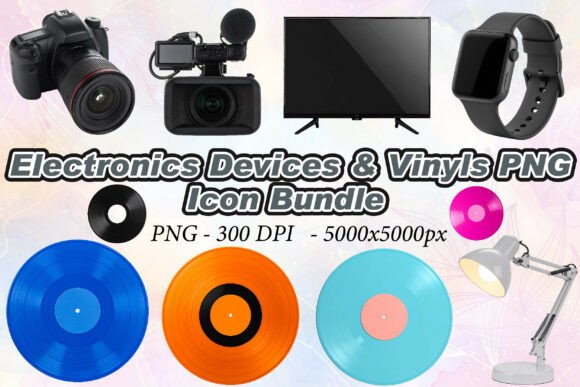
This evolution is particularly evident in collections that include items like Electronics Devices Vinyls PNG. These specific assets bridge the gap between retro nostalgia and futuristic technology. A vinyl record icon, for instance, rendered in 3D, captures the grooves and reflective surface of the plastic, evoking a tactile memory while maintaining a sleek, contemporary look suitable for modern streaming apps or music festivals. This blend of styles allows designers to communicate complex ideas instantly, leveraging the brain's ability to recognize three-dimensional forms more quickly than abstract symbols.
Technical Specifications That Define Quality
The true value of a graphic asset lies in its technical execution. For professionals working in both print and digital mediums, resolution and format are non-negotiable factors. The collection described here stands out due to its rigorous adherence to high standards. Each icon is rendered at an impressive 5000x5000 pixels, a dimension that far exceeds the requirements for most standard web displays. This massive file size ensures that even when scaled down for small interface elements, such as mobile app buttons or social media avatars, the image retains razor-sharp edges and crisp details.
Furthermore, the inclusion of a transparent background in the PNG format streamlines the design process significantly. In the past, designers often spent hours removing backgrounds from raster images using masking tools. With these pre-processed assets, the focus shifts entirely to composition and creativity. The 300 DPI (dots per inch) specification further guarantees that these files are print-ready. Whether used for a large-format billboard or a high-resolution brochure, the clarity remains uncompromised. This dual-purpose capability—excelling in both screen and print environments—makes the collection a versatile investment for any creative studio.
Strategic Applications Across Industries
The versatility of these 3D icons extends far beyond simple decoration. They serve functional roles in enhancing user experience (UX), branding consistency, and marketing effectiveness. By examining how different sectors utilize these assets, we can better understand their practical relevance.
Enhancing User Interfaces and Web Experiences
Website developers and UI/UX designers are primary beneficiaries of high-resolution 3D assets. In a crowded digital marketplace, a website needs to establish trust and professionalism within seconds. Incorporating vibrant, well-rendered icons can guide users through complex navigation structures intuitively. For example, a tech blog discussing audio equipment might use the Electronics Devices Vinyls PNG to categorize articles about analog sound systems, creating a thematic visual language that reinforces the content.
Mobile applications also benefit immensely from these assets. Mobile screens vary widely in pixel density, from standard HD to Retina and OLED displays. An icon set rendered at 5000x5000 px provides the necessary buffer to ensure that graphics look perfect on the highest-end devices without appearing blurry on older models. This scalability is crucial for maintaining a premium feel in an app store environment where visual polish often correlates with user ratings.
Marketing Materials and Brand Identity
Branding is about consistency and recognition. Marketing teams responsible for campaigns across multiple channels need assets that translate seamlessly from Instagram stories to printed flyers. The modern 3D style offers a distinctive look that helps brands stand out against competitors relying on generic clip art. The rich colors and depth of these icons can be aligned with brand guidelines to create a cohesive visual identity.
Consider a startup launching a new line of smart home devices. Using a set of 3D icons representing connectivity, security, and automation can convey sophistication and innovation. When these same icons appear on packaging, in email newsletters, and on the company website, they reinforce the brand message. The ability to use the same high-quality source file for both digital ads and physical product labels eliminates the risk of visual inconsistency, ensuring the brand looks professional everywhere.
Social Media Engagement and Content Creation
Social media algorithms favor visually engaging content. Static, low-resolution images often get scrolled past, whereas vibrant, high-definition graphics tend to stop the scroll. Creators and influencers can leverage these 3D icons to add a layer of polish to their posts, stories, and reels. The transparency of the PNG format allows for easy layering over video footage or photographic backgrounds, enabling dynamic compositions that capture viewer attention.
For educators and researchers presenting data or concepts, these icons can simplify complex information. A presentation on the history of music technology could use the vinyl icons alongside modern digital device icons to illustrate the timeline of audio consumption. The visual contrast provided by the 3D rendering makes the distinction clear and memorable for the audience.
Workflow Efficiency and Creative Freedom
Beyond the visual impact, the practical benefits of using ready-to-use assets cannot be overstated. Time is a critical resource for freelancers and agencies alike. The elimination of the background removal process alone saves hours of work. Instead of wrestling with selection tools and edge refinement, designers can immediately drop these assets into their layouts and begin adjusting scale, position, and color overlays.
The large file size also opens up possibilities for creative manipulation. Because the source image is so detailed, designers can crop sections of an icon to create new compositions or use parts of the icon as texture maps in other software. This flexibility encourages experimentation. A designer might take a close-up of the groove pattern from a vinyl record icon and use it as a subtle background texture for a landing page, adding depth without overwhelming the text.
Moreover, the consistent style of the collection ensures that mixing and matching icons does not result in a disjointed appearance. Whether combining electronics, household items, or abstract symbols, the unified rendering style creates a harmonious visual ecosystem. This consistency is vital for long-term projects where dozens of different icons may be required over time.
Accessibility and Inclusivity in Design
While aesthetics are important, effective design must also consider accessibility. High-contrast, clearly defined 3D icons can aid users with visual impairments who rely on screen readers or magnification tools. The distinct shapes and vibrant colors help differentiate interactive elements from static content. When designing for a broad audience, including those with cognitive differences, the clarity provided by these detailed icons reduces ambiguity and improves overall usability.
Future Trends in Digital Graphics
As we look toward the future of digital design, the trend toward hyper-realism and immersive experiences continues to grow. With the rise of augmented reality (AR) and virtual reality (VR), the need for high-fidelity 3D assets will only increase. These collections serve as a foundational step toward building fully immersive digital environments. The skills and workflows developed using these 2D representations of 3D objects prepare designers for the transition to full 3D modeling and rendering.
Furthermore, the integration of AI-driven design tools suggests that customization will become even more accessible. While these current assets offer a fixed style, future iterations may allow for real-time modification of materials, lighting, and perspective directly within design software. However, the core principle remains the same: the need for high-resolution, versatile, and professionally crafted visual elements that empower creators to bring their ideas to life.
Conclusion on Value and Utility
The combination of technical excellence and artistic vision found in this collection of Electronics Devices Vinyls PNG and 3D icons represents a significant asset for the modern creative toolkit. By offering a solution that addresses resolution, format, style, and ease of use, these resources remove barriers to entry for high-quality design. Whether you are a seasoned professional managing a global brand or a hobbyist looking to improve your personal portfolio, the ability to access sharp, vibrant, and scalable graphics is invaluable.
Ultimately, the goal of design is communication. These icons facilitate that communication by providing clear, attractive, and universally understood visual cues. They add depth to flat screens, bring life to print materials, and inject personality into digital products. As the digital world becomes more saturated, the difference between good and great design often comes down to the quality of the assets used. Embracing these high-standard resources ensures that your work not only meets current expectations but sets a new benchmark for visual excellence.